Over 32 years of large-scale development expertise, now redefining high-end living through design, precision, and long-term value.
“A city transforms when mobility brings opportunities closer, housing ceases to be a privilege, and care becomes infrastructure.”
Grupo HG is a Mexican business group that integrates companies specialized in construction, engineering, architecture, and environmental project development. It has over 30 years of national and international experience, with more than 85 executed projects and ongoing developments, covering sectors such as road and rail infrastructure, commercial and real estate developments, health, sports, logistics, ports, and environmental restoration. Its approach combines technical capacity, urban planning, and high-impact sustainable solutions.
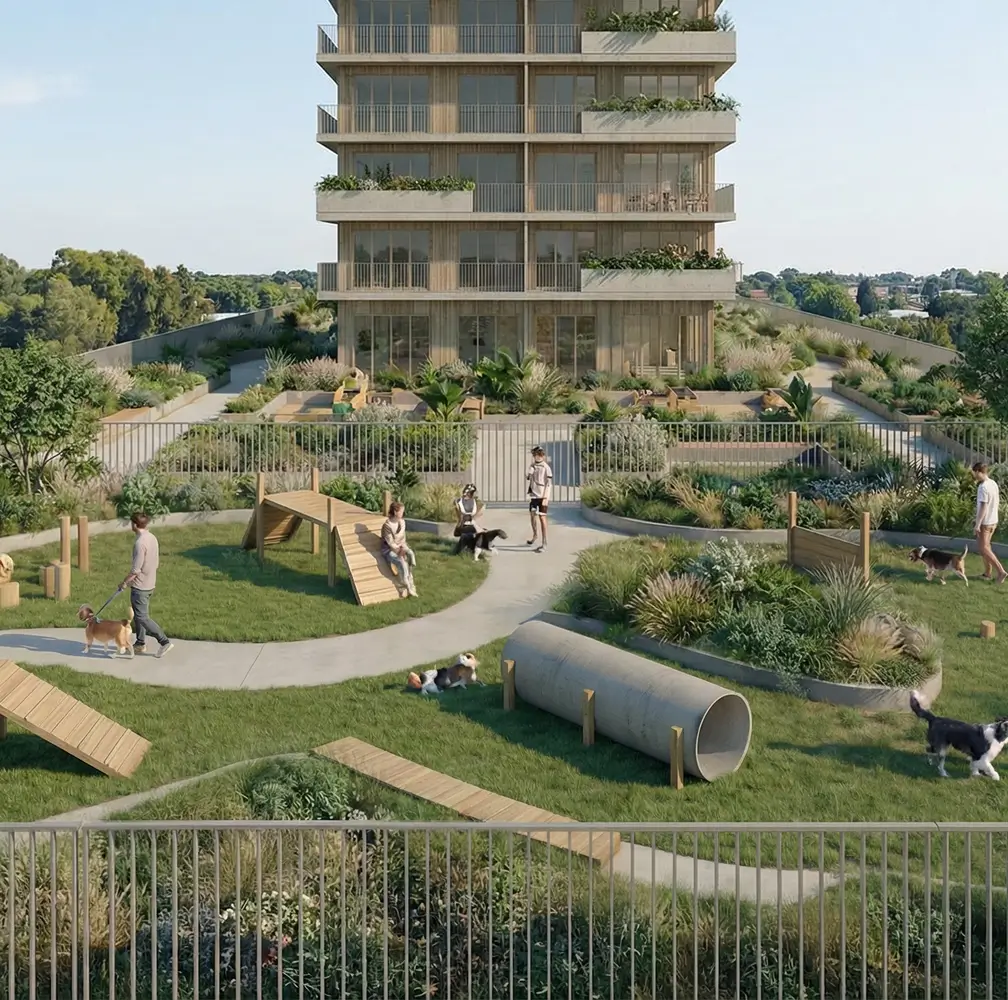
Foresta is a restorative landscaping company that promotes the return of native species to regenerate biodiversity and strengthen ecosystem services in cities. We design and restore living spaces that create microclimates, improve people’s mental and physical health, and foster a more conscious relationship with nature. We have developed projects in Mexico City, the State of Mexico, and Xalapa, and collaborate with international organizations in England and Chile, as well as with the UN, to implement nature-based solutions in urban contexts. From public space, we promote play, dynamism, inclusion, and environmental justice, highlighting the vital importance of healthy ecosystems in everyday life.
We are a studio that integrates research, urban-architectural project development, and technical assistance from a gender perspective and feminist urbanism approach.
UTOPÍAS Cuajimalpa (Units for Transformation and Organization for Inclusion and Social Harmony) Parque del Jaguar in Tulum, Quintana Roo, through SEDATU in collaboration with Colectivo C733.
Experience in public space recovery projects, linear parks, and medians. Comprehensive Project and Construction
Execution for the Sanitation of the National Canal SACMEX.
Third place in the Urban Life Contest for the project “Low Emission Zone Iztapalapa: Mobility and Care Network” through AECID and SEGIB.
International recognition through the URBAN HOUSING PRACTITIONERS HUB 2021 (Urban Habitat and Housing Practices Platform).

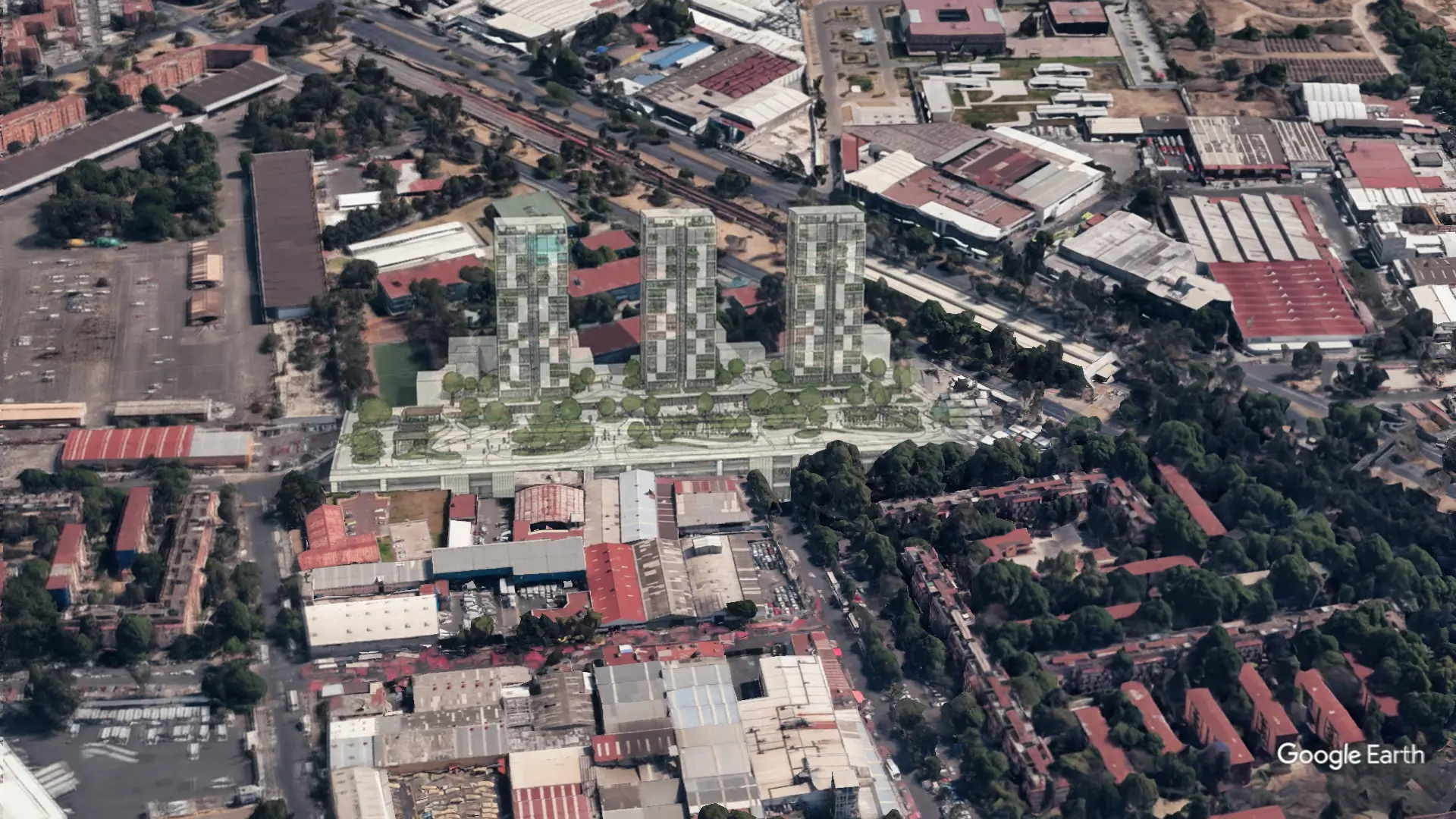
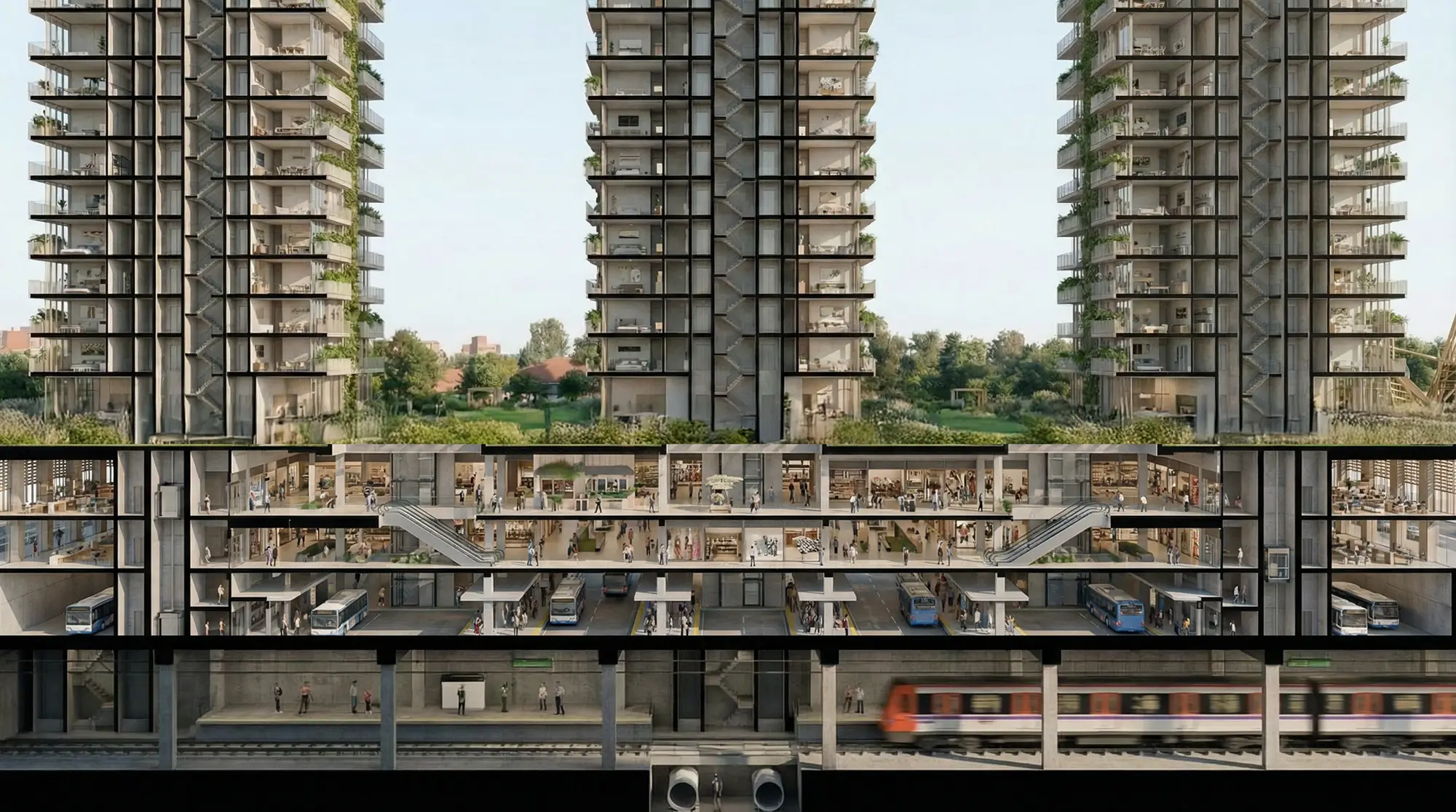
MANIFESTO is a model of urban regeneration that transforms CETRAMs into true hubs of social and metropolitan development.
– SOCIAL HOUSING
– MIXED-USE
– AFFORDABLE RENTAL SCHEME
– CETRAM
An integrated proposal that includes:
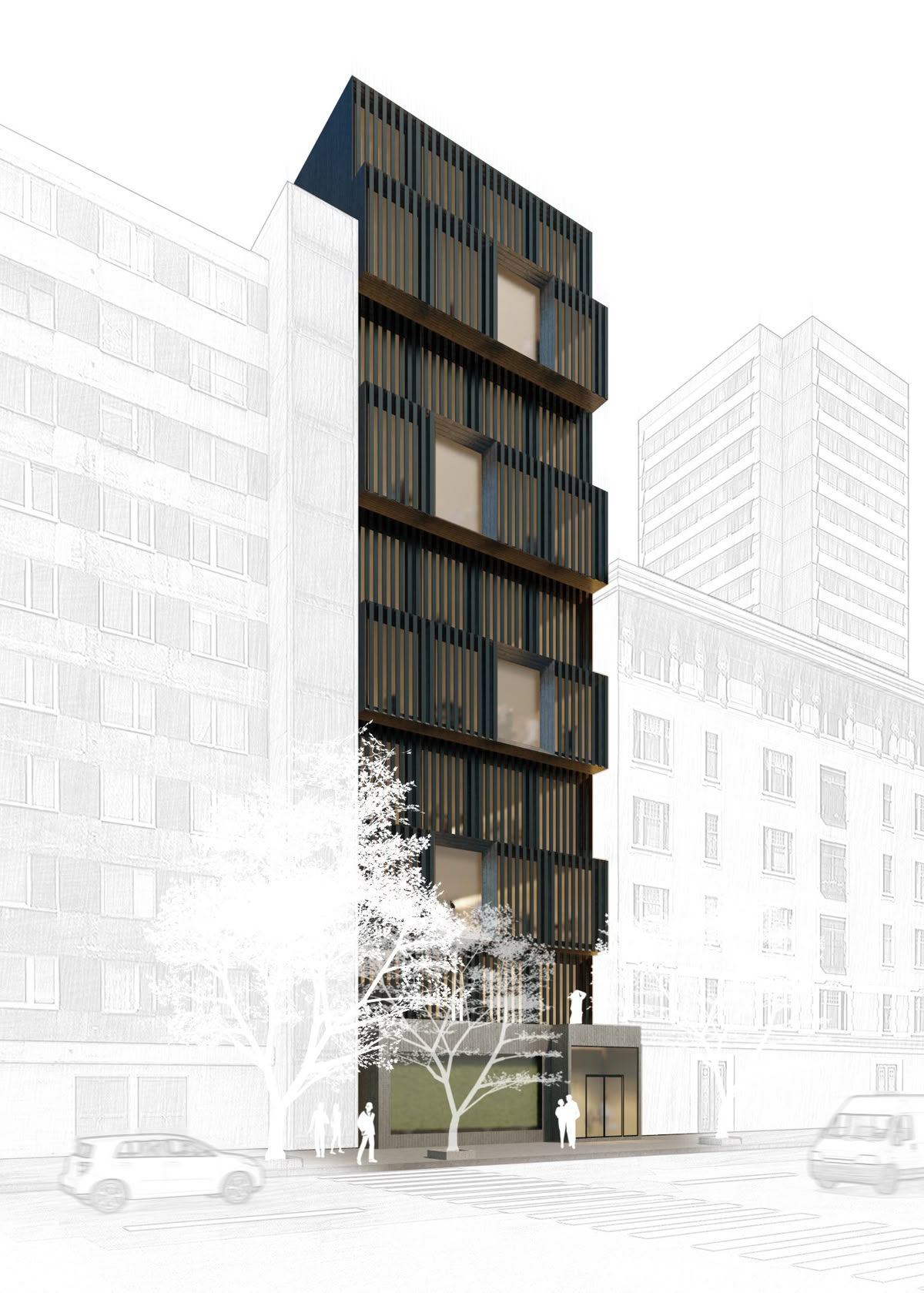
Social housing with high design standards, accessible from $7,500 MXN per month, aimed at effectively addressing housing demand with quality and efficiency. Mixed-use with an urban vision, integrating services such as health centers, daycare facilities, lactation rooms, commercial and food spaces.
Affordable rental scheme, combining financial sustainability with real accessibility for users.
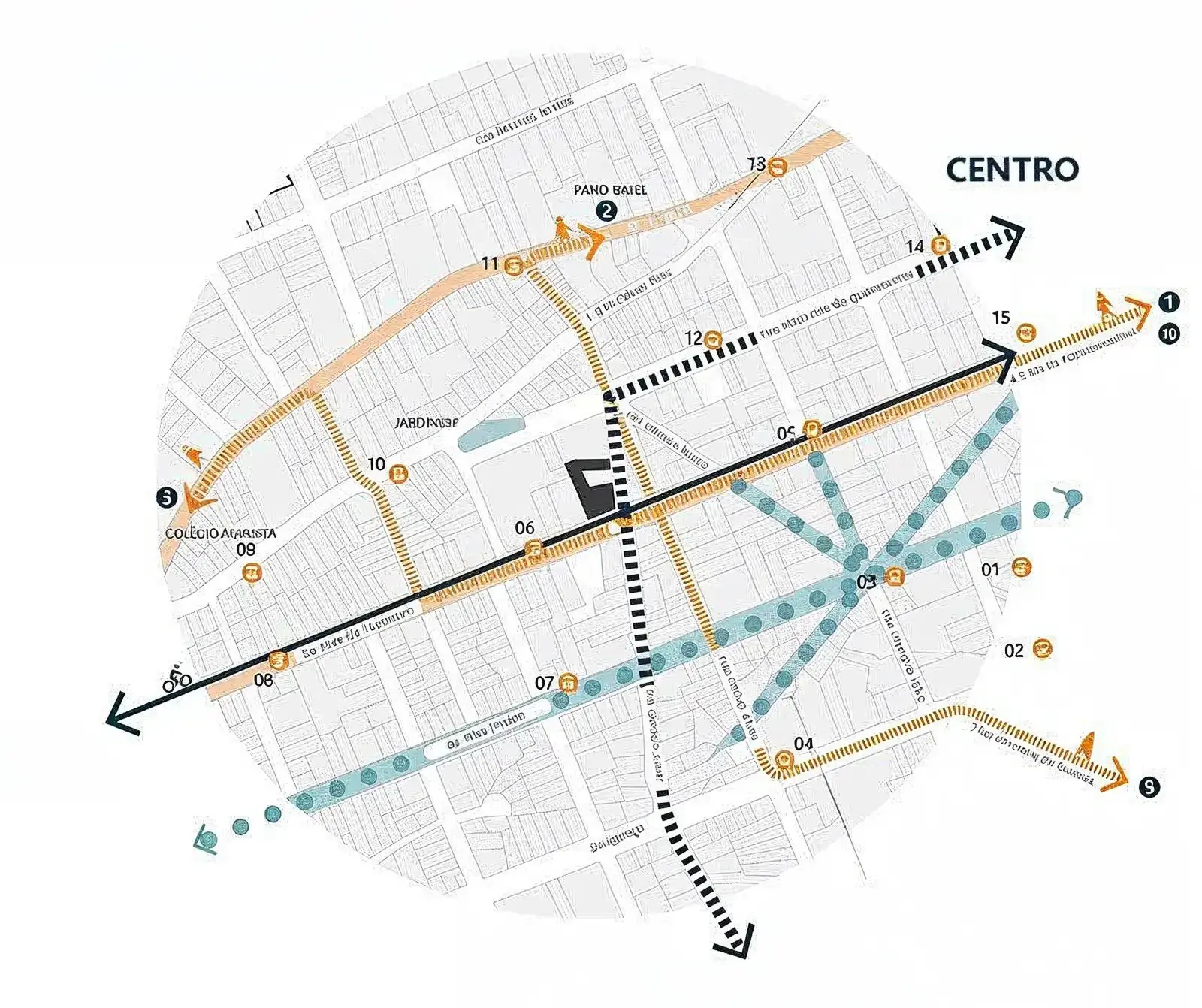
Efficient connectivity infrastructure, designed to optimize transfers between transportsystems, reduce waiting times, and enhance environmental safety.
This project not only improves mobility, but also the quality of life for users and the surrounding community
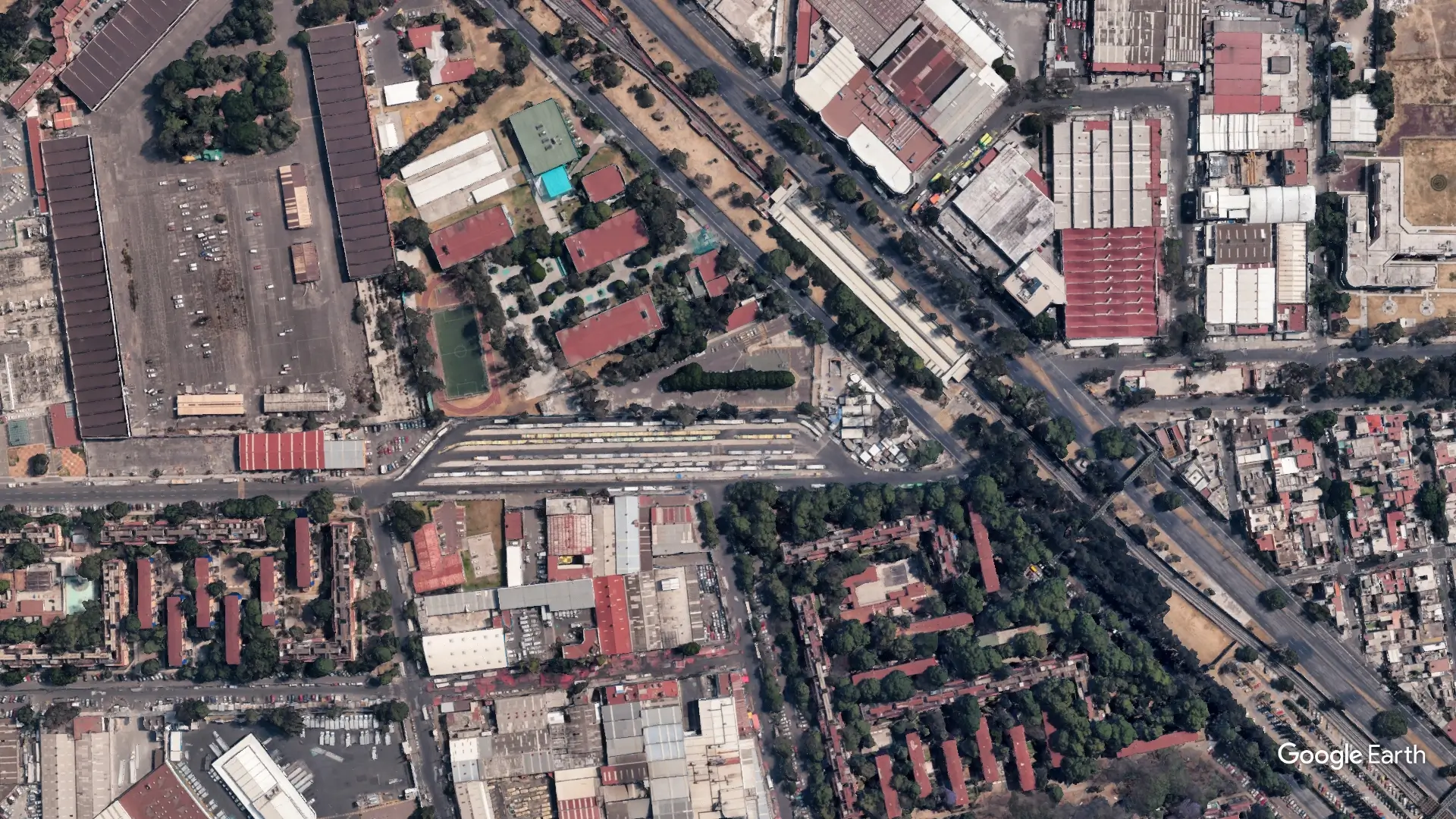
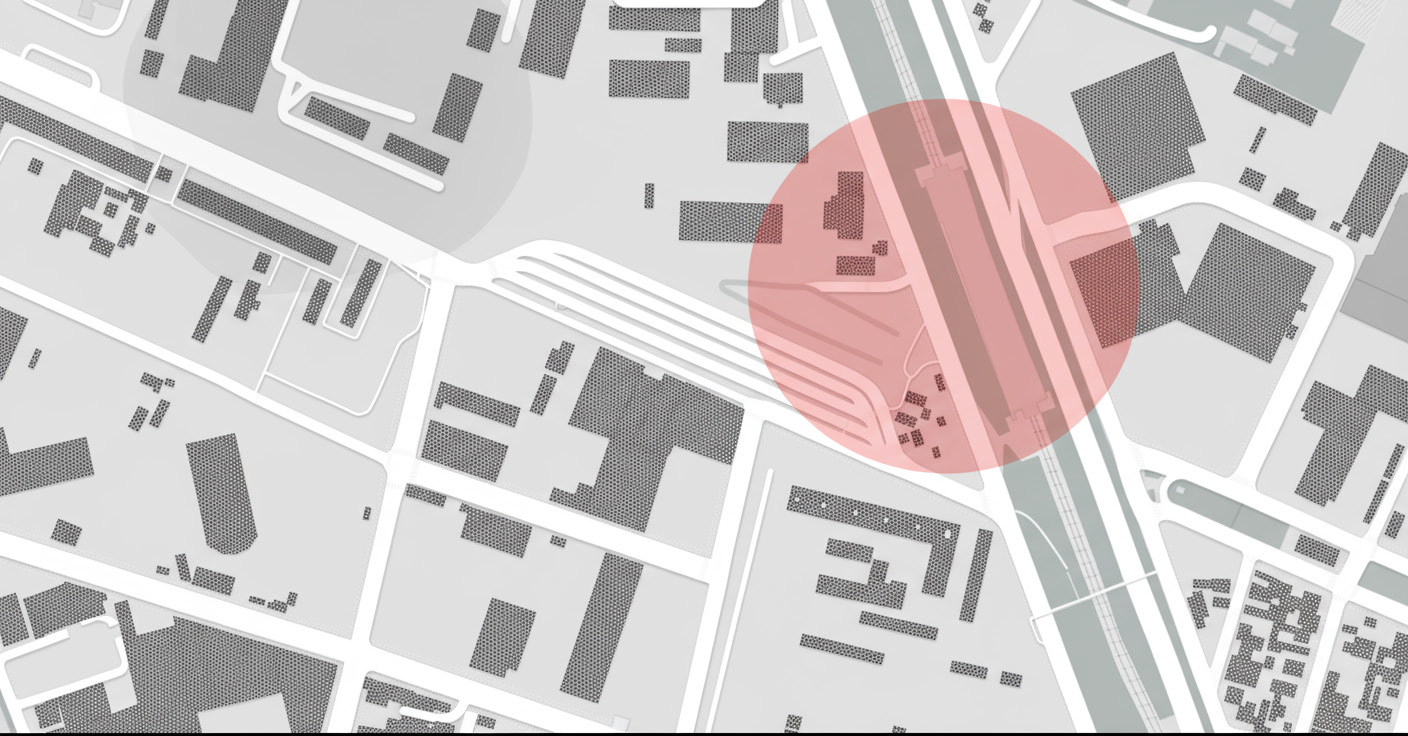
Pte 152 293, Lindavista Vallejo, Gustavo A. Madero, 07720 Ciudad de México, CDMX
Lines
• Structural insecurity due to lack of surveillance, absence of video surveillance cameras, poor lighting, and a lack of spaces that promote community integration and improve the quality of life of the surrounding area.
• Underutilization of urban land, with neglected spaces that currently generate no economic or social value for users.
• During rush hour, the metro sees more than 3,000 users.
(The problem or opportunity)
• Lack of affordable housing that effectively meets the growing housing demand with dignified options located in areas with access to transportation, services, and economic opportunities.
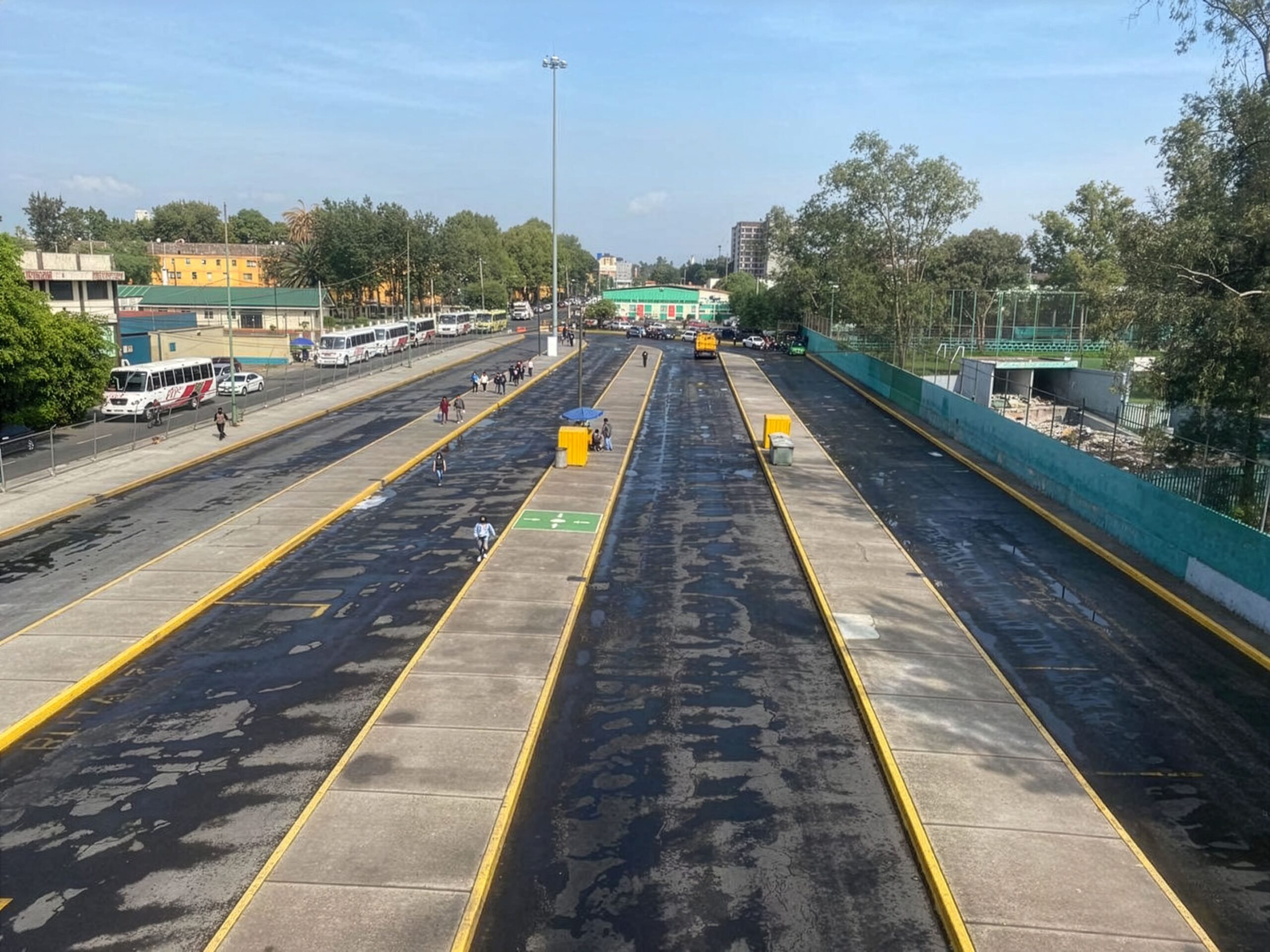
• Currently, the CETRAM Politécnico, the last station of Line 5 located in GAM, connects 13 bus, taxi, and metro lines between the State of Mexico (8) and the center of Mexico City (5). It spans 15,625 m² and cannot be sold due to the public service it provides.
• Disjointed operation of CETRAM, with poor functional organization among various transportation modes, inadequate infrastructure, and no integration with the urban environment, leading to prolonged transfer times and a negative user experience.
• The service operates with deficiencies and hazards for users, who must navigate traffic to reach the metro stairs. There is no security. The bays are non-functional, and there is unregulated street vending
• Structural insecurity due to lack of surveillance, absence of video surveillance cameras, poor lighting, and a lack of spaces that promote community integration and improve the quality of life of the surrounding area.
• Lack of affordable housing that effectively meets the growing housing demand with dignified options located in areas with access to transportation, services, and economic opportunities.
• Disjointed operation of CETRAM, with poor functional organization among various transportation modes, inadequate infrastructure, and no integration with the urban environment, leading to prolonged transfer times and a negative user experience.
• Underutilization of urban land, with neglected spaces that currently generate noeconomic or social value for users.
• Recovery of value for the city by transforming a passive asset into a constant source of public revenue through a 5% share of net profit.
• Increase in federal allocations by raising the city’s accounting assets with long-term productive assets.
• Generation of direct and indirect jobs during both the construction and commercial/service operation phases.
• Improvement of the immediate urban environment with lighting, surveillance, and active zones that reduce risks and improve perceptions of safety.
• Fiscal revenue for the State through the collection of VAT and income tax (ISR) derived from the project’s operation.
• Regulatory certainty by being structured under the legal framework of public-private partnerships with full transparency
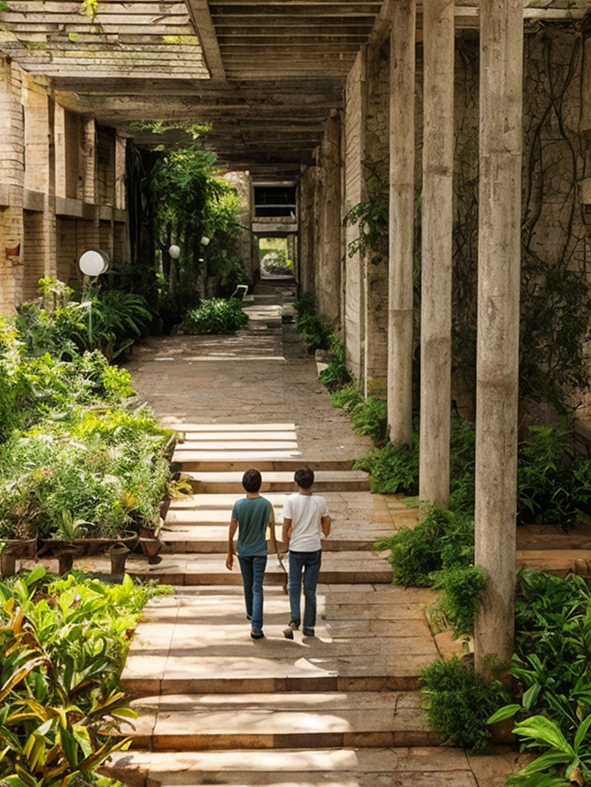
The IIMB is one of the masterpieces of tropical modernism, reinterpreted through a humanistic and climate-sensitive vision.
Doshi conceives the campus as a “city within a city,” a system of interconnected spaces that foster interaction, reflection, and community.
The project does not aim to impose a monumental building but rather to create an environment that breathes, shelters, and accompanies the user throughout the day, integrating with Bangalore’s landscape and climate.
The architecture is expressed through:
• Sober and heavy volumes in stone and concrete
• Natural light filtered through courtyards and pergolas
• Modular geometries repeated with poetic variations
• Smooth spatial transitions between interior and exterior
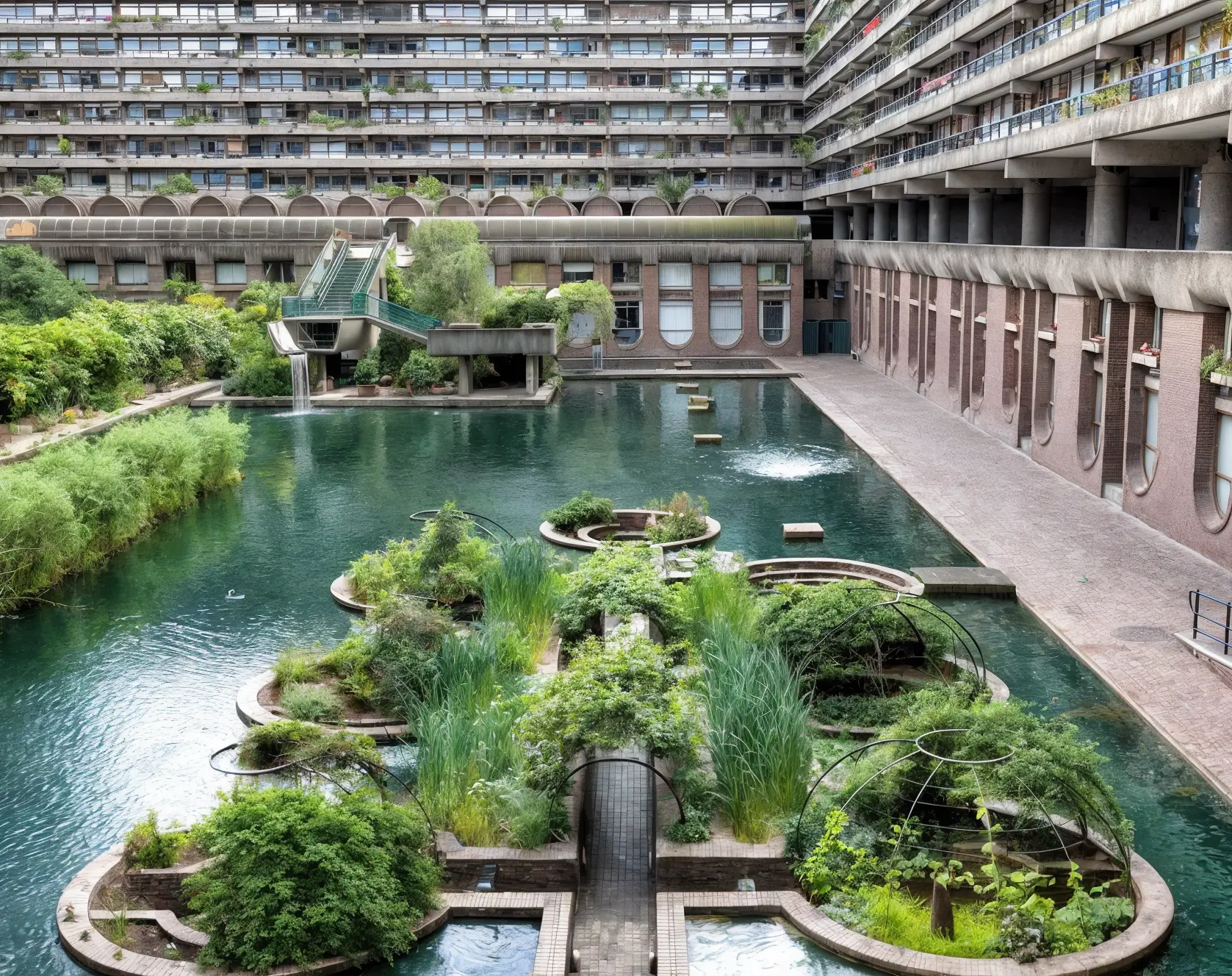
The Barbican Conservatory is part of the Barbican Centre complex, one of the masterpiece of British Brutalism, and was conceived as a natural refuge amid London’s dense urban environment.
Its purpose was to counteract the harshness of concrete and the geometry of the Barbican by introducing a living, organic, and sensory element within the complex.
In the architects’ words, the conservatory aimed to “humanize Brutalism,” creating a space for rest and contemplation that balanced structural monumentality with the softness of plant life.
Mexico City constitutionally recognizes the right to care, which is reinforced by PROIGUALDAD 2020–2024 and by SEDATU, both of which promote a territorial approach to care with binding character and a specific budget.
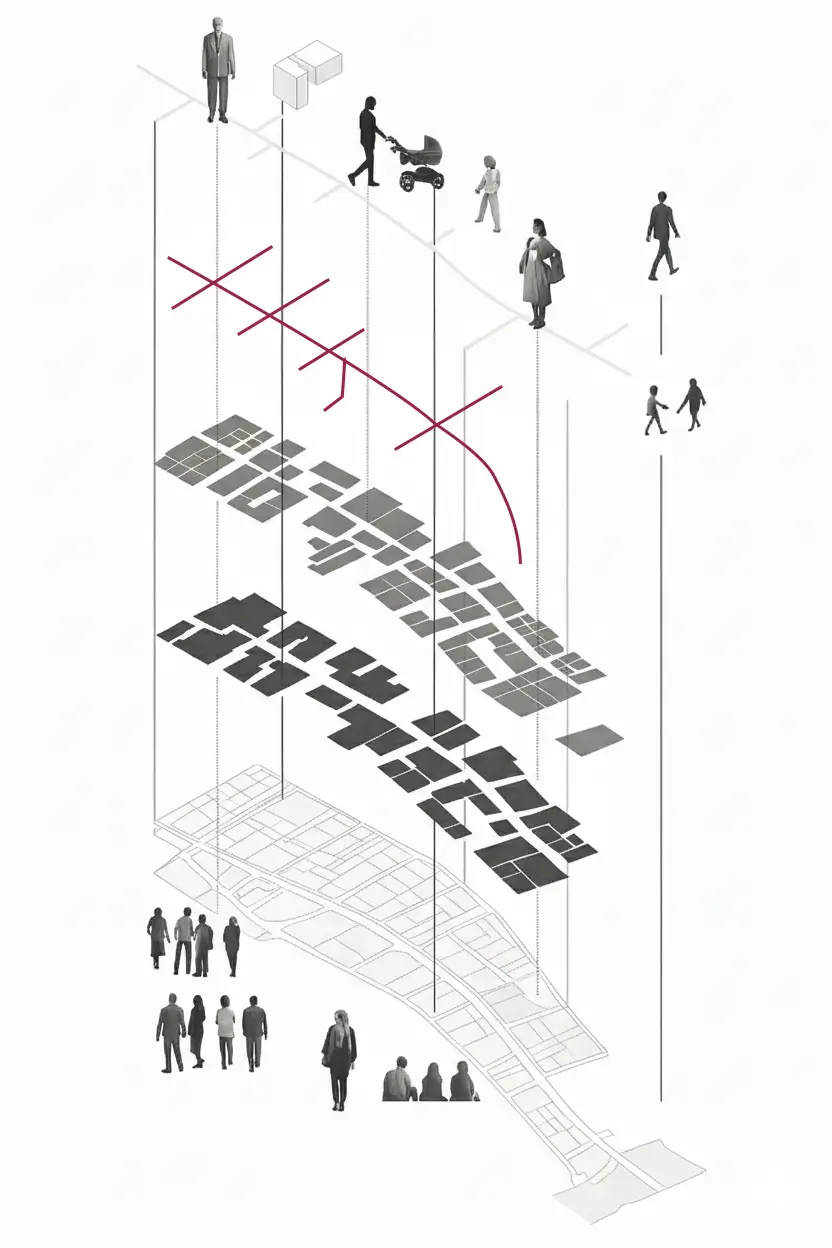
The concept of a caring city presents a critique of the traditional urban model, proposing environments that value the biological, physical, and cognitive diversity of people, and that adapt urban and public spaces to support caregiving. Within this framework, care infrastructures aim to guarantee the rights of both care recipients and caregivers—primarily women—through the redistribution and collectivization of caregiving tasks.
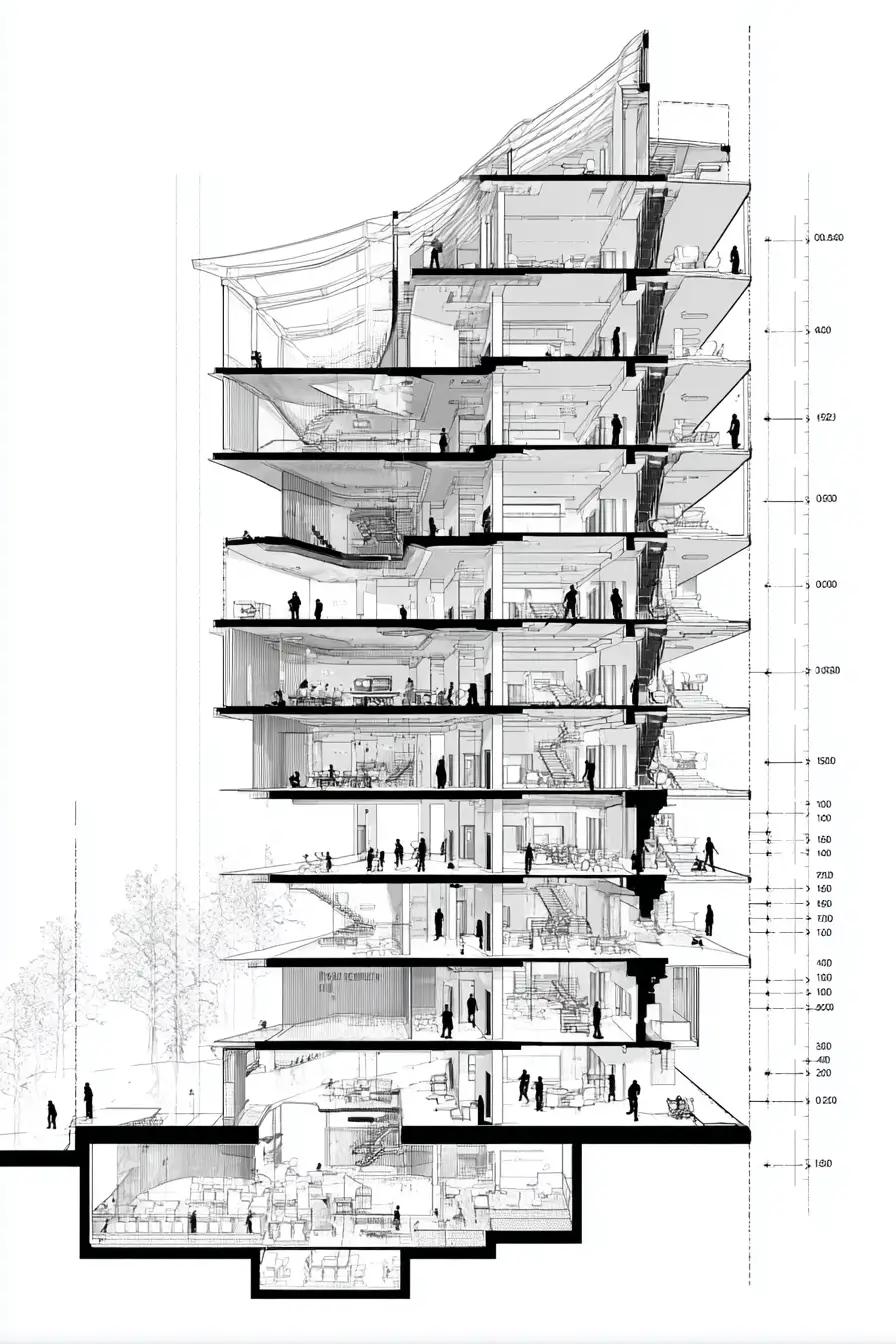
The project adopts a gender-based approach that places care at the center of architectural design, prioritizing women and children through criteria of accessibility, safety, and livability, and emphasizing the spaces of the Public Care System. Notably, the Lactation Pavilion is conceived as a semi-private and educational space within the public realm that promotes the collectivization of breastfeeding.
Finally, the project incorporates strategies for climate adaptation, energy efficiency, green infrastructure, and rainwater harvesting, ensuring comfort, sustainability, and efficient use of the building throughout the year.
• In three years, 500 good-quality and affordable rental housing units could be available, including parking.
• The housing units would include services, shops, a cinema, and more entertainment options. The area has enough market demand to be successful and would dignify an urban space currently in poor condition.
• Mexico City’s assets would grow with new properties, increasing federal participations.
• CDMX would receive 5% of the project’s net profit for 37 years.
• Financing would be covered by the concessionaire. Any penalties would be borne by them.
• A 40-year concession is the most common and best suited for both the project and CDMX. Permits can be granted since the land already has commercial and service use designation.